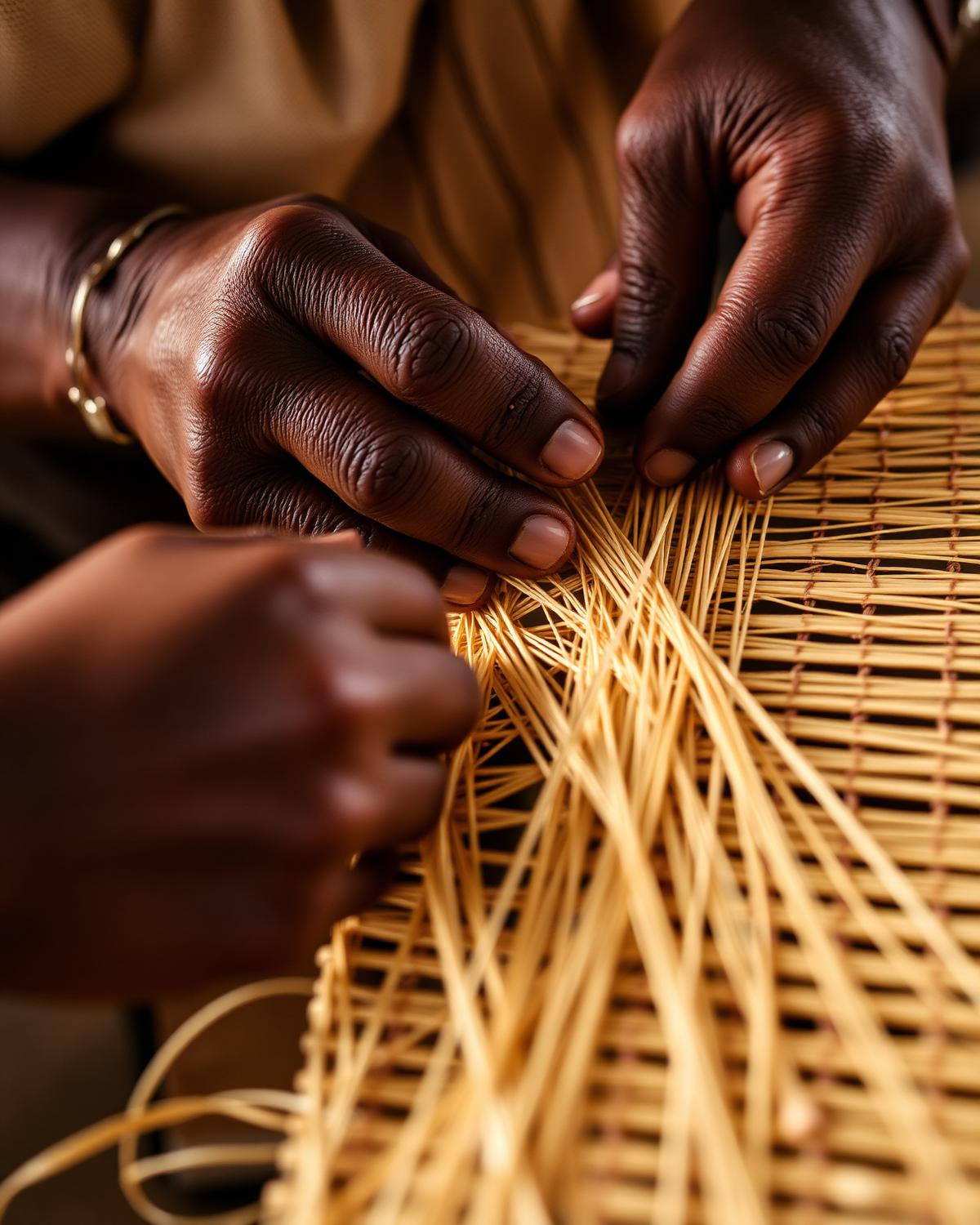
Fine Strands, Patient Hands.
Split into slender lengths and worked wet, cane brings lightness, movement and an openness that no machine weave can imitate.
Cane at a glance
- Origin
- Assam, India
- Material Category
- Natural Fibre
- Typical Applications
- Seating · Storage · Décor
- Sustainability
- Renewable
What makes it extraordinary.
Pliable
Worked damp, cane follows a curve exactly, then sets firm as it dries.
Open
Woven patterns let light and air pass through, keeping large forms visually weightless.
Enduring
A well-tensioned weave holds its shape for decades and can be repaired rather than replaced.
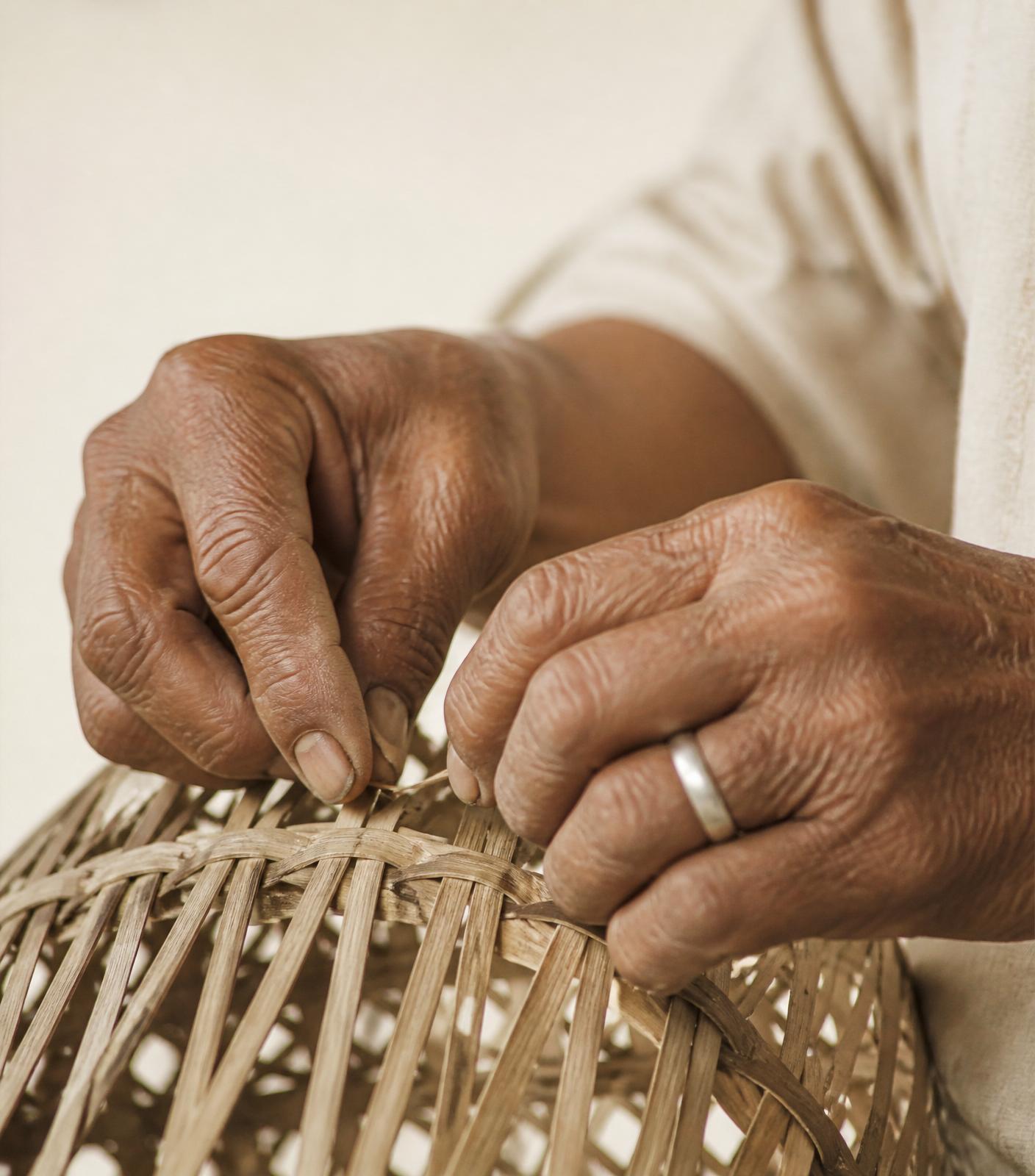
Structure made from air.
Cane is drawn from climbing palms that grow through the forest canopy, then split by hand into strands of even width — a step that decides how the finished weave will look long before anything is woven.
The strands are soaked until they turn supple, worked quickly while damp, and tensioned across a frame. As they dry they tighten against one another, and a loose lattice becomes a rigid, springy surface.
The result is a material that reads as almost nothing in a room and yet carries weight, holds a seat, and softens every edge it wraps.
From the grove to your room.
- 01
Nature
Climbing cane matures slowly beneath the forest canopy.
- 02
Harvest
Cut in lengths and carried out by hand, grove by grove.
- 03
Preparation
Split into even strands, cleaned and soaked until pliable.
- 04
Craftsmanship
Woven damp across a frame and tensioned as it dries.
- 05
Finished Piece
Trimmed, sealed and rested before dispatch.
How it behaves.
- Strength
- High in tension
- Weight
- Very light
- Flexibility
- Highly pliable when damp
- Durability
- Decades with care
- Texture
- Fine, ridged weave
- Colour
- Honey, warms with age
- Recommended Use
- Indoor
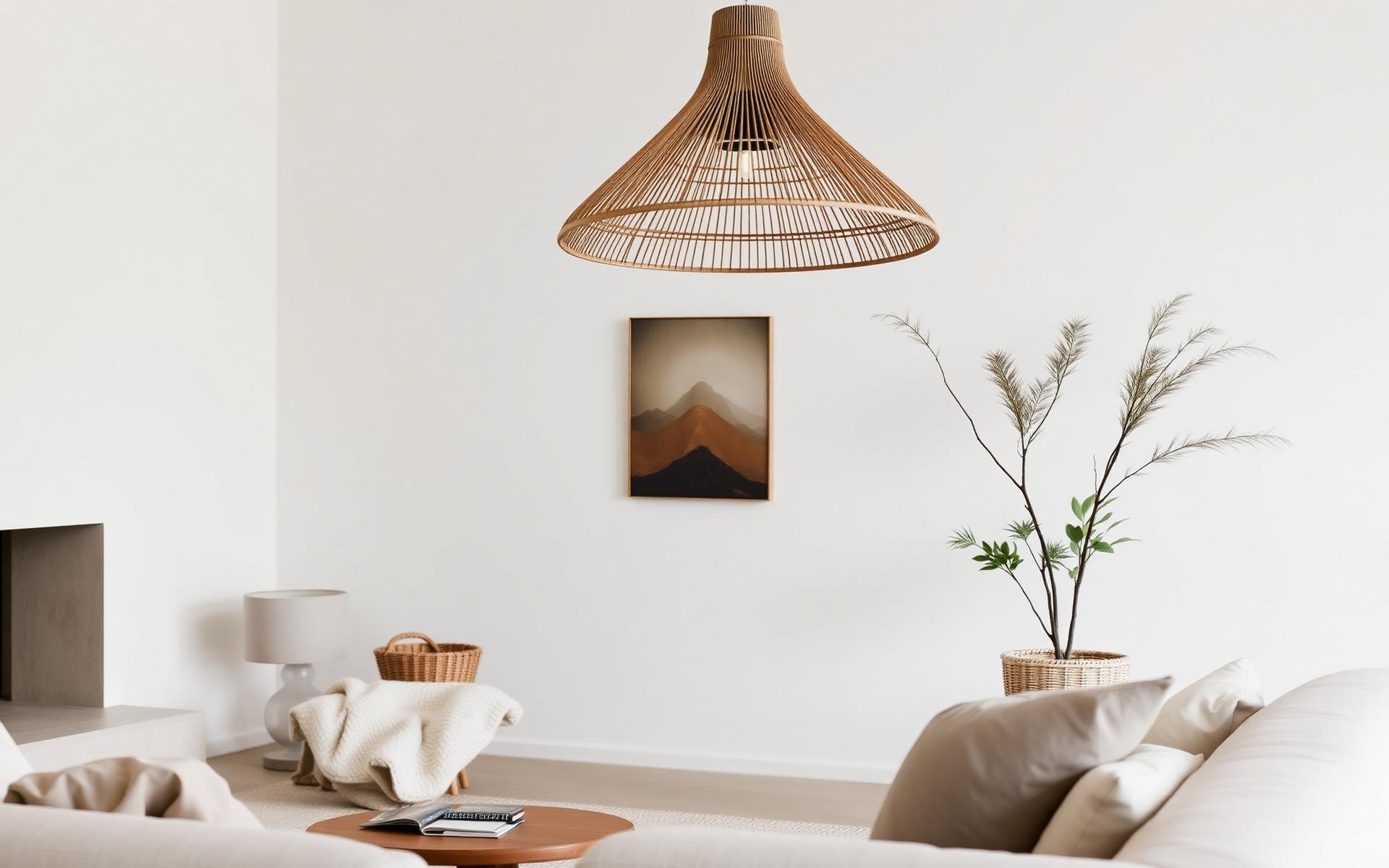
A weave measured in hours, not minutes.
Every panel is woven by hand across a prepared frame, strand by strand. The rhythm cannot be rushed — tension set too loosely today becomes slack in a year.
Explore Craft
Forest households of the Northeast.
Cane weaving lives in the households that border Assam's forests, where the skill is learned early and kept within families.
Explore AssamPieces shaped from this material.
Pieces in cane are currently being made. Explore our handcrafted collection while new work is prepared.
Living with cane.
- Cleaning
- Dust with a soft brush, working along the weave.
- Maintenance
- Keep humidity moderate so strands stay supple.
- Storage
- Store upright and unstacked to protect the weave.
- Things to Avoid
- Soaking, abrasive cleaners and heavy point loads.
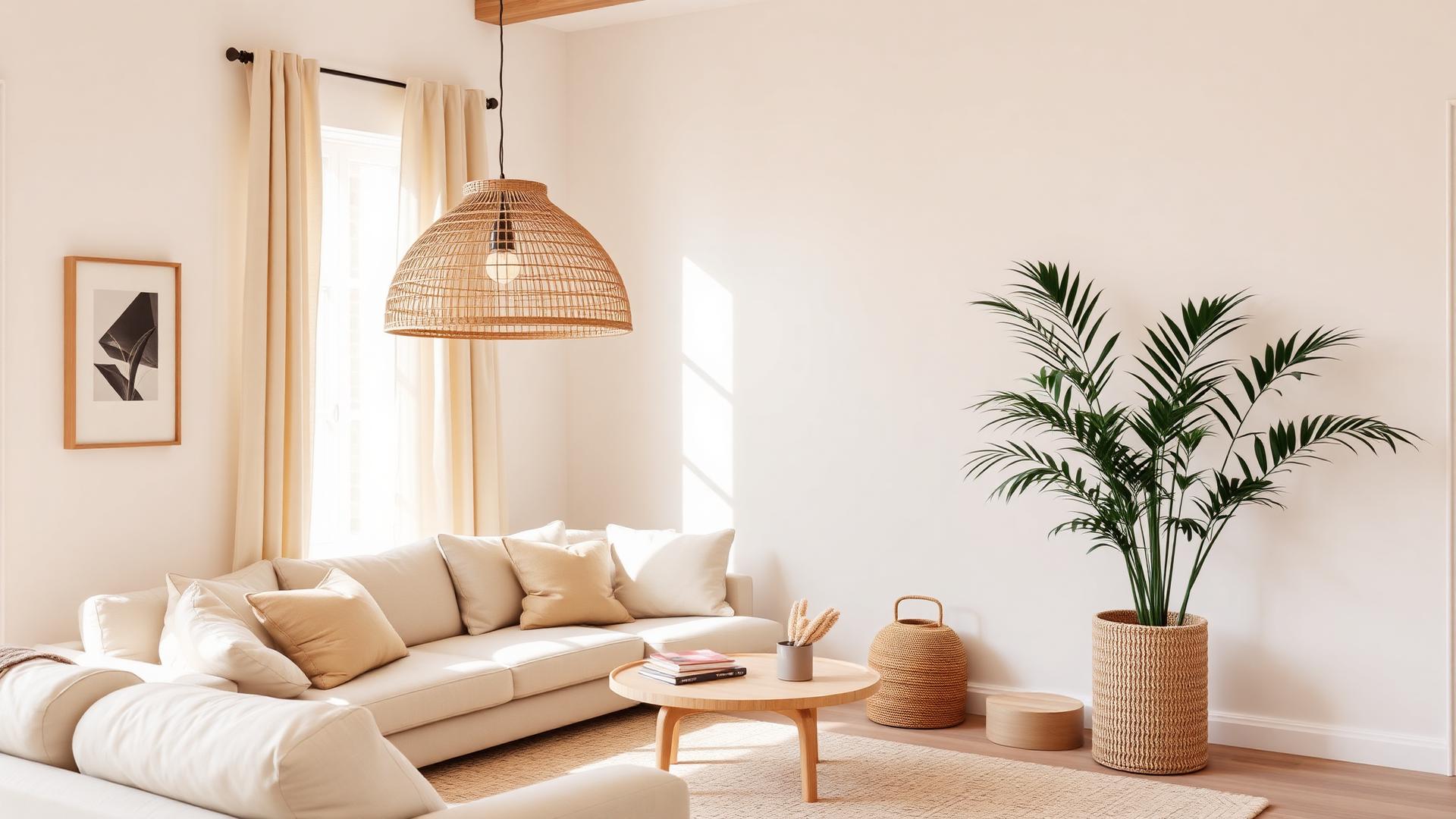
The story doesn’t end here.
Explore Craft
The slow sequence of selecting, shaping and finishing that every piece passes through.
Explore CraftExplore Assam
Assam's river valleys, and the households where these traditions have been kept alive.
Explore AssamBrowse Collections
Lighting, living and décor — the finished pieces shaped from these natural materials.
Browse Collections