
Bamboo Weaving
Bamboo weaving is the most exacting of our traditions — a craft of straight lines, even tension and absolute patience.
Bamboo Weaving at a glance
- Origin
- Assam, India
- Primary Material
- Bamboo
- Craft Type
- Hand Weaving
- Heritage
- Generational Practice
What makes this craft extraordinary.
Precision
Strands are split to a width the eye can barely distinguish — and any deviation shows across the whole surface.
Patience
The weave advances at the speed of the hand. Nothing about the sequence can be shortened without showing.
Structural Rhythm
Tension is repeated identically hundreds of times, and that repetition is what makes the form hold.
Shaped slowly,
by hand.
Bamboo is split into strands of near-identical width, then softened, aligned and woven under constant tension. A single uneven strand shows across the entire surface, so the work proceeds slowly and is corrected continuously.
The result is a structure that is light in the hand yet remarkably strong, with a grain that deepens in tone as it ages.
From material
to finished form.
- 01
Splitting
Mature culms are split into fine strands of matched width.
- 02
Conditioning
Strands are softened so they bend without fracturing.
- 03
Weaving
Each strand is drawn into place under even, sustained tension.
- 04
Finishing
Edges are trimmed, sealed and smoothed by hand.
What requires
the most skill.
- Fine Splitting
- Dividing a culm into strands of matched width using only a blade and judgement.
- Consistent Strand Width
- Grading and correcting each strand so the lattice reads as one plane.
- Tension Control
- Holding the same pull across every pass so the weave stays true.
- Edge Finishing
- Trimming, sealing and smoothing borders so no cut end is ever felt.
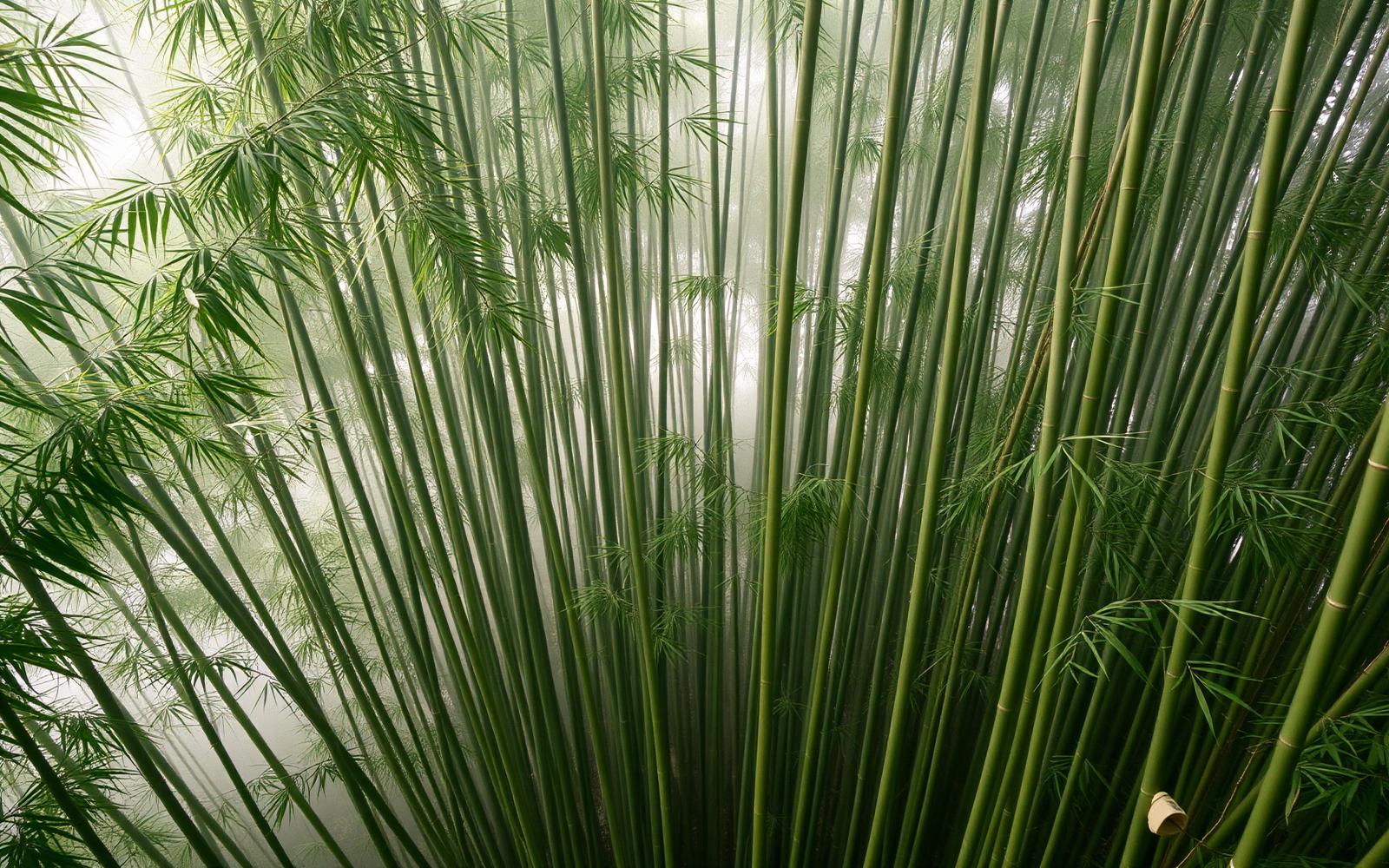
Bamboo
Fast-growing, light and exceptionally strong along the grain.
Explore Material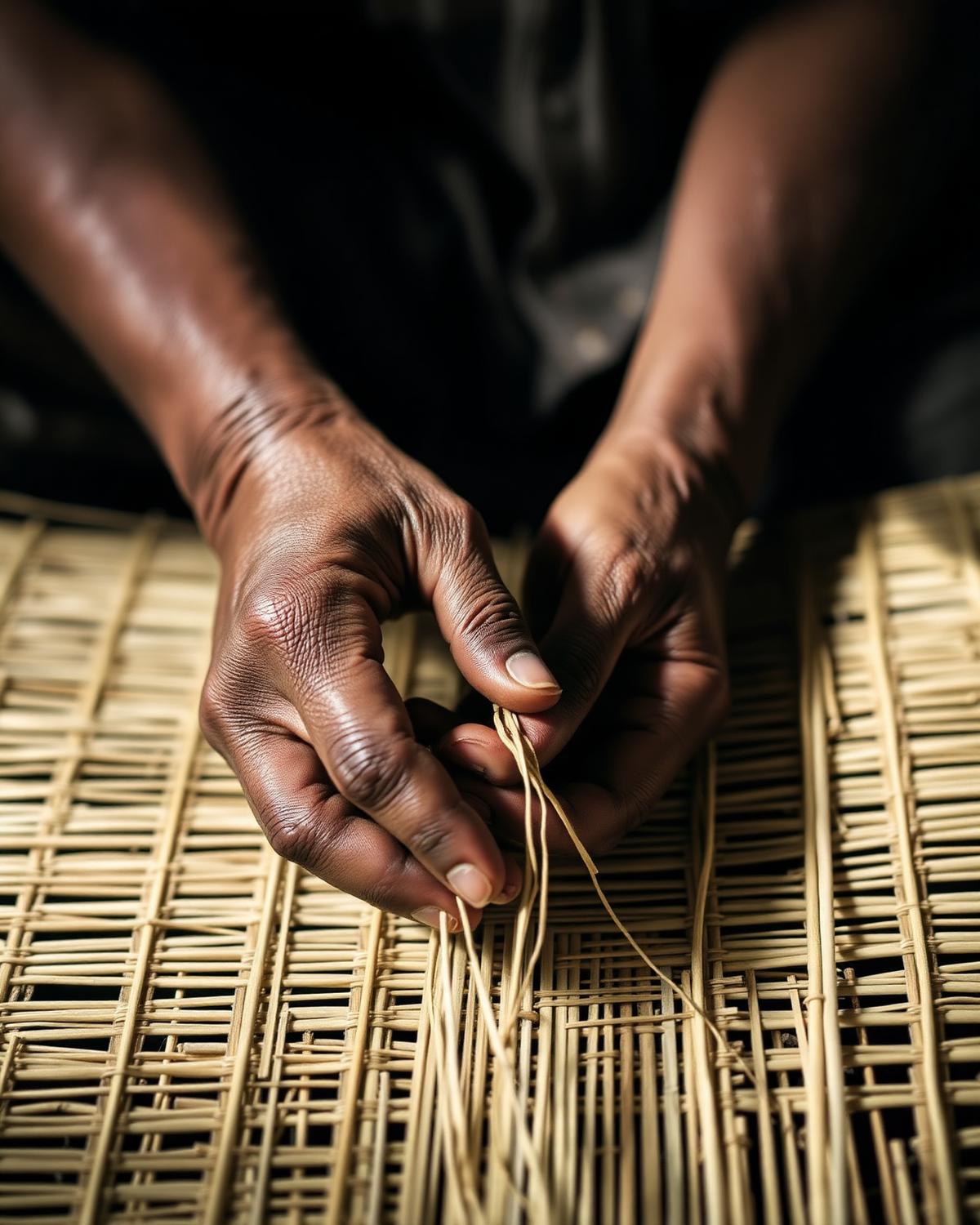
Assam
Assam's climate produces bamboo dense enough to split finely and long enough to weave without joins. The craft developed here because the material did.
Explore AssamThe pieces these hands make.
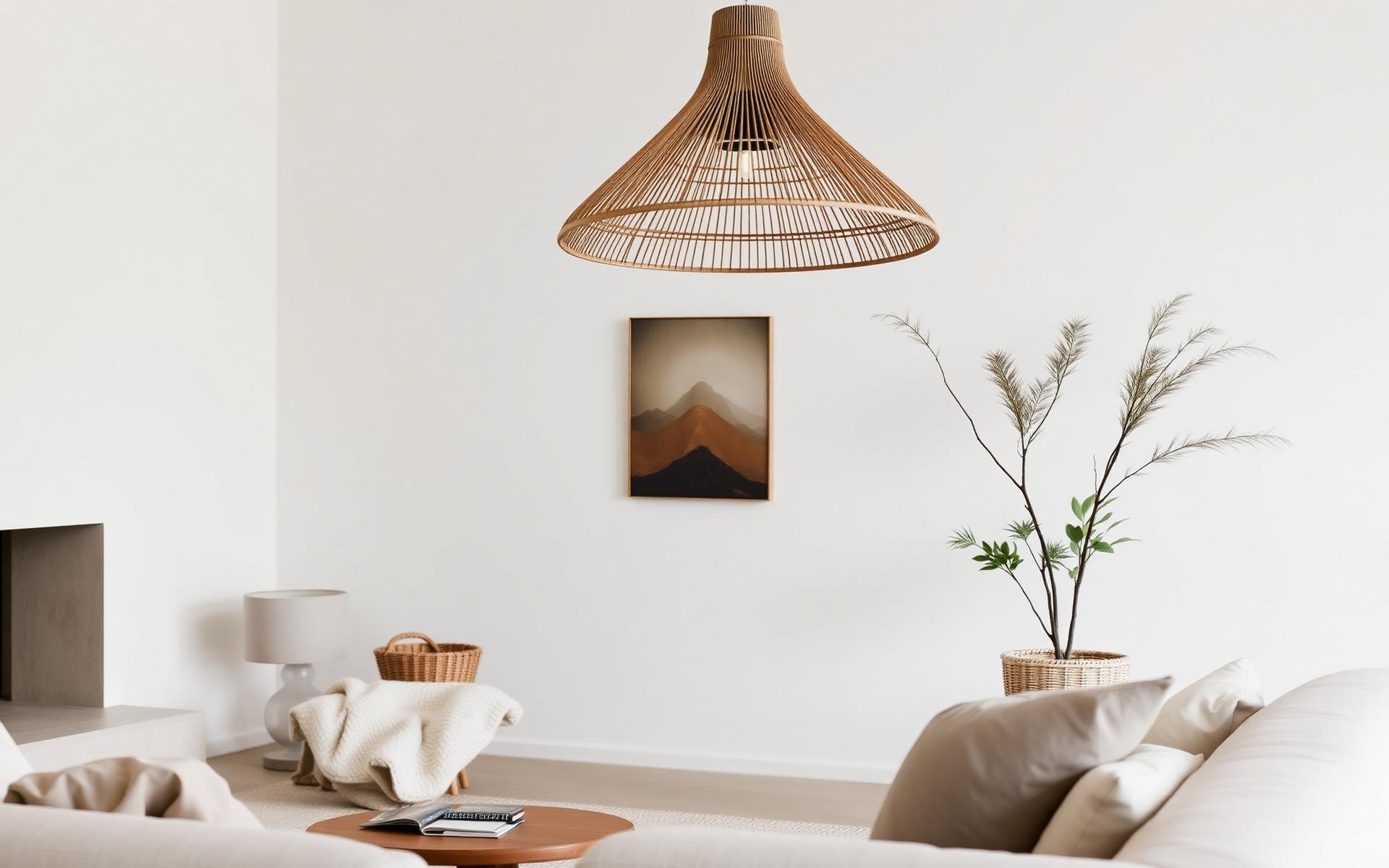
Pieces made with this craft are currently being finished. Explore the wider collection while new work is prepared.
Knowledge that lives in practice.
Bamboo weaving is not written down. It is held in the hands of people who have done it long enough for accuracy to become instinct, and it passes on only where the work continues.
Consistent orders, fair terms and contemporary design keep that transfer possible — the technique survives by being used, not preserved.
The story doesn’t end here.
Explore Materials
Bamboo, cane and kauna grass — where each material comes from and how it behaves.
Explore MaterialsExplore Assam
Assam's river valleys, and the households where these traditions have been kept alive.
Explore AssamBrowse Collections
Lighting, living and décor — the finished pieces shaped by these hands.
Browse Collections