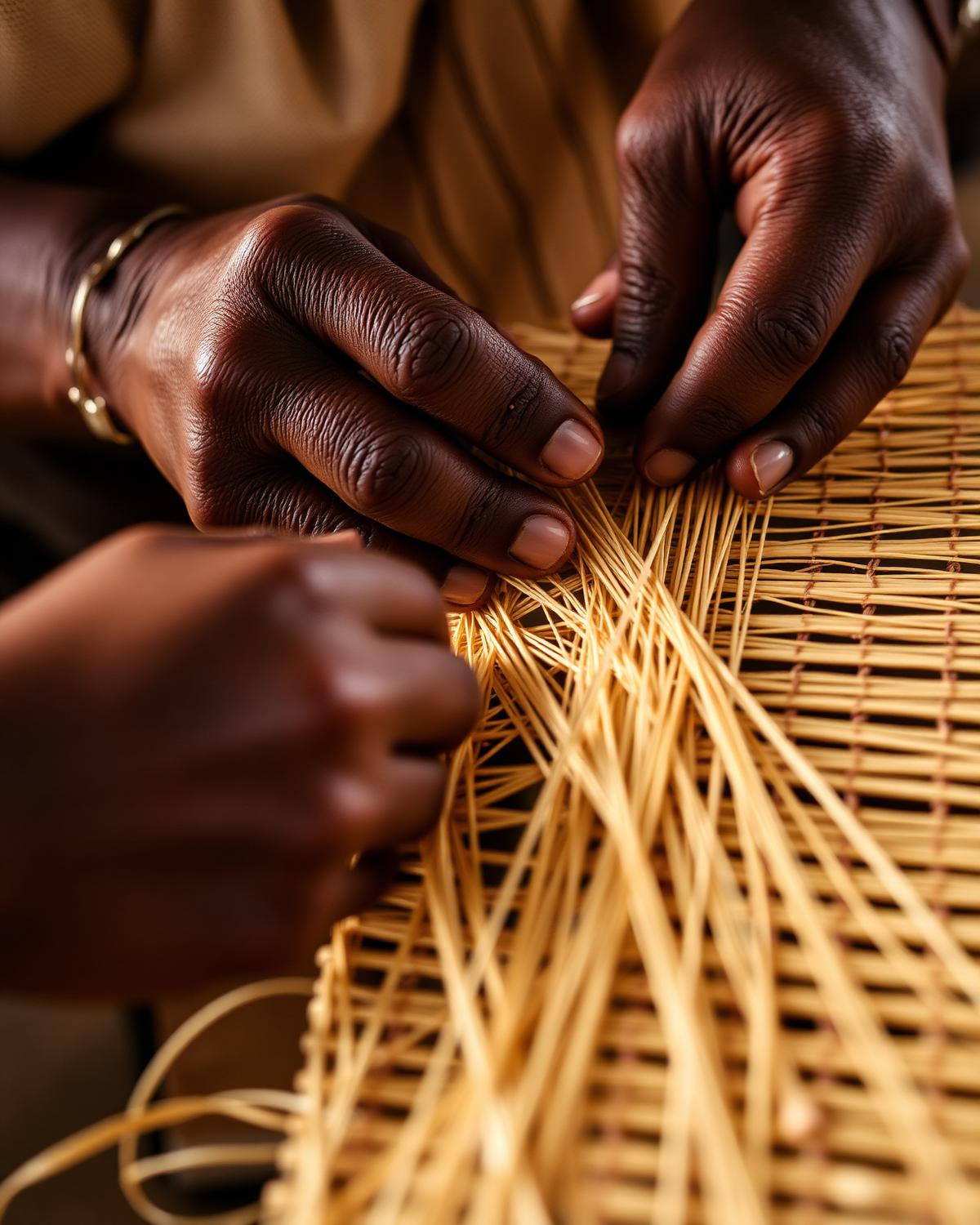
Rattan Weaving
Rattan weaving is a craft of curves — the material is coaxed, never forced, into forms that hold their shape for decades.
Rattan Weaving at a glance
- Origin
- Assam, India
- Primary Material
- Rattan Cane
- Craft Type
- Steam Shaping & Binding
- Heritage
- Generational Practice
What makes this craft extraordinary.
Flexibility
The maker works with the cane's own willingness to bend, easing it toward a curve rather than forcing one.
Steam Shaping
Heat and moisture open a brief window in which the material can be moved — and only that window.
Structural Binding
Every joint is wrapped by hand, so strength and detail are produced by the same movement.
Shaped slowly,
by hand.
Cane is steamed until pliable, bent around a form, then bound and left to set. The maker reads the material continuously, easing it toward the curve rather than imposing one on it.
Once set, the frame becomes the structural spine of a piece, and finer cane is wrapped around the joints to lock it in place.
From material
to finished form.
- 01
Selecting
Lengths are chosen for straightness and consistent thickness.
- 02
Steaming
Cane is warmed until it becomes flexible enough to bend.
- 03
Shaping
Curves are formed by hand and held until they hold themselves.
- 04
Binding
Joints are wrapped in finer cane for strength and quiet detail.
What requires
the most skill.
- Steam Bending
- Reading when the cane is warm enough to move and cool enough to hold.
- Curve Setting
- Holding a form under tension until the curve becomes permanent.
- Joint Binding
- Wrapping intersections in finer cane so the frame locks without hardware.
- Structural Weaving
- Filling the frame so the weave carries load rather than merely covering it.
Rattan Cane
Pliable when warm, rigid once set — ideal for curved structure.
Explore Material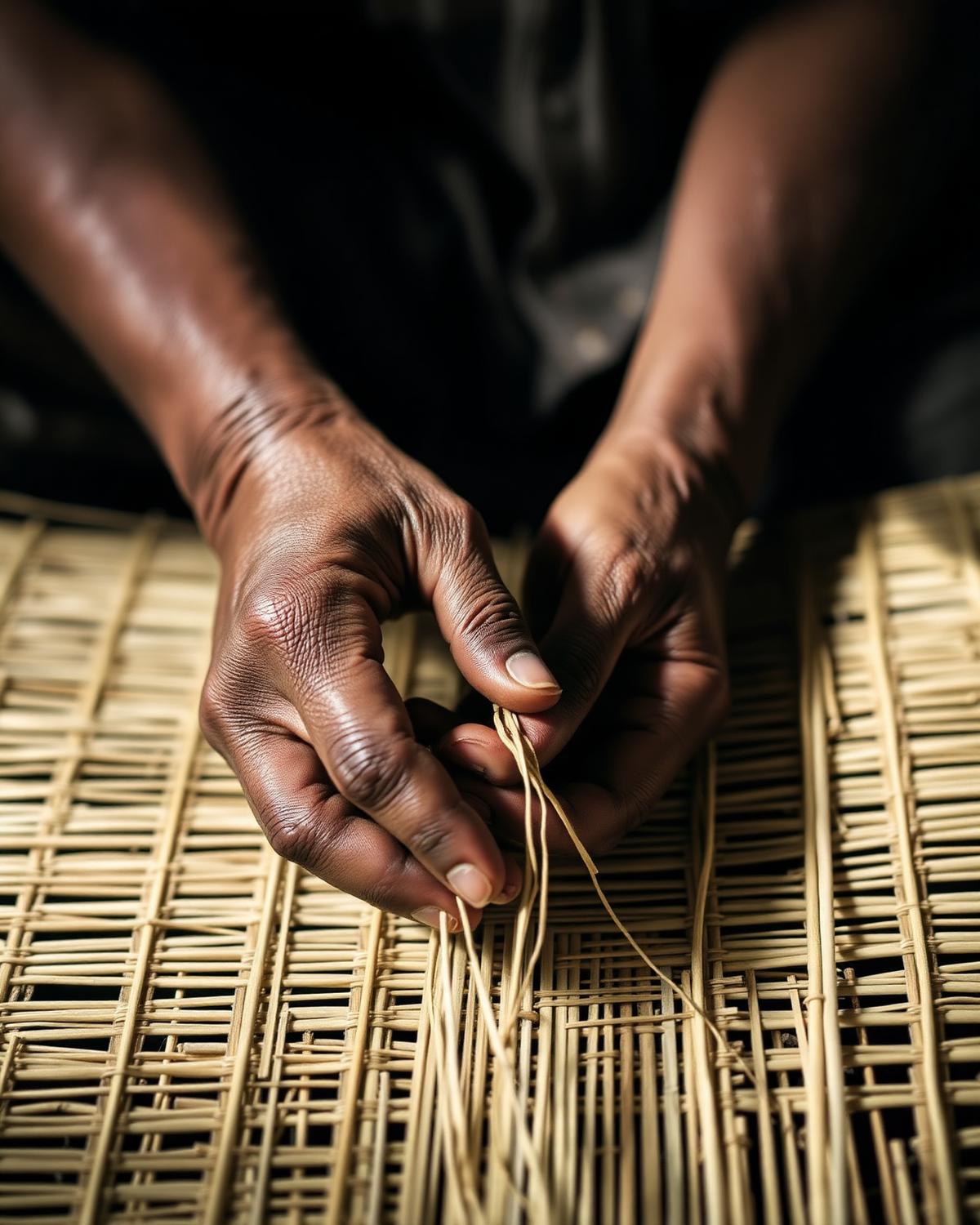
Assam
Assam's cane grows long, straight and slow, and the workshops that bend it have adapted their technique to that specific material over generations.
Explore AssamThe pieces these hands make.
Pieces made with this craft are currently being finished. Explore the wider collection while new work is prepared.
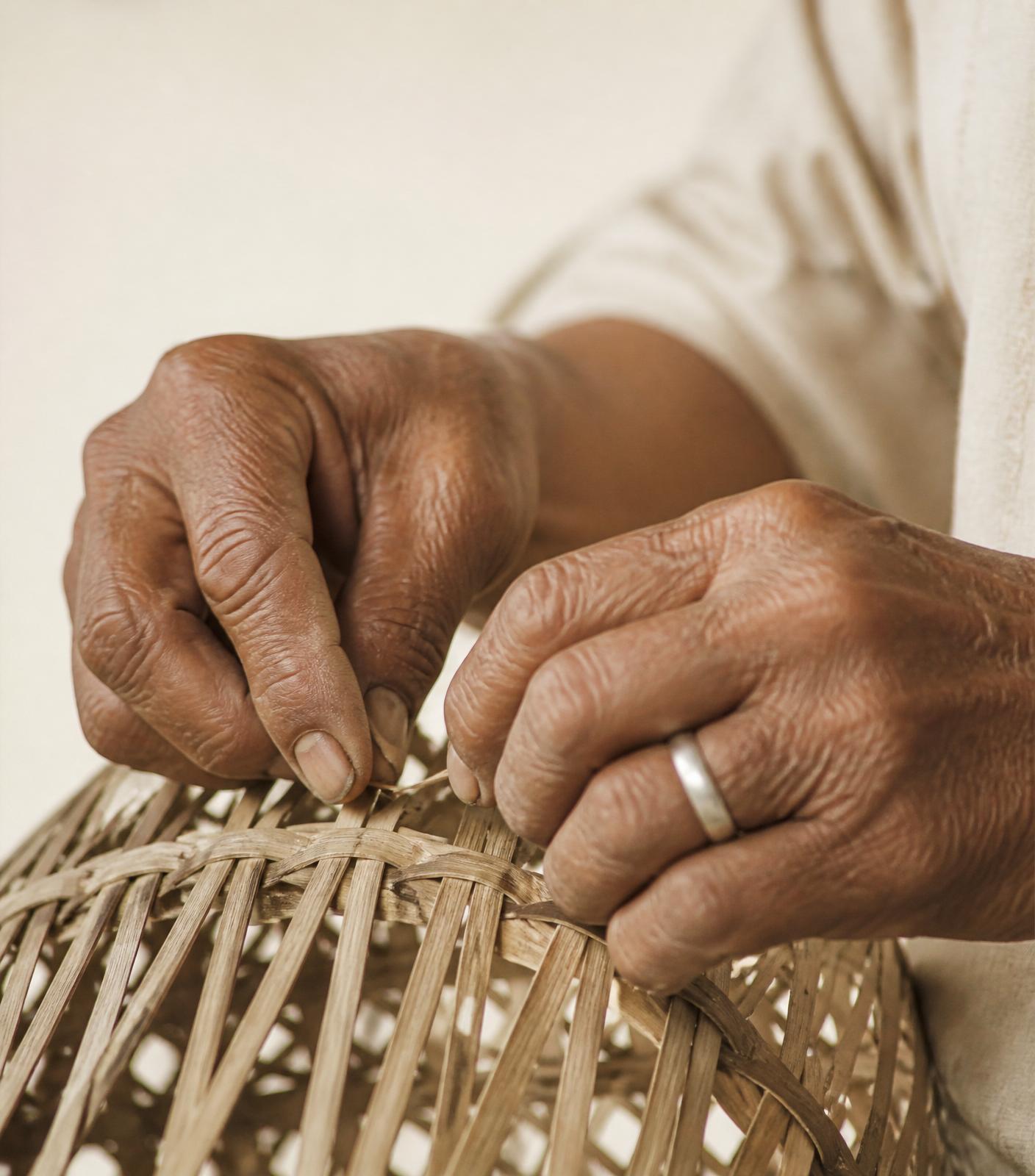
Curves that only hands can find.
Machine bending produces a repeatable radius; hand bending produces the right one for that particular length of cane. That judgement is the craft, and it exists only where it is practised daily.
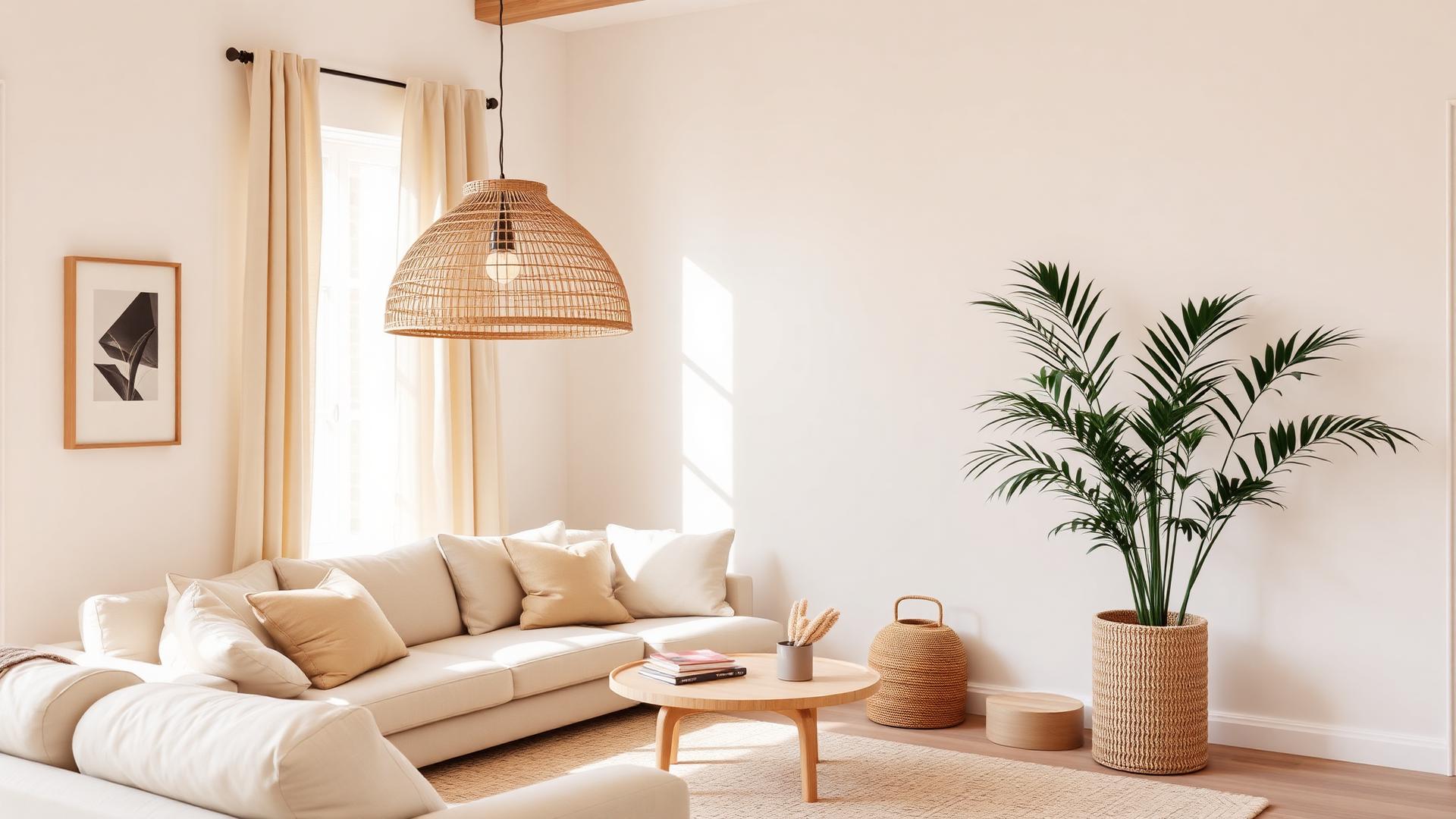
Continuing to make furniture and lighting this way keeps the knowledge in circulation and the workshops in work.
The story doesn’t end here.
Explore Materials
Bamboo, cane and kauna grass — where each material comes from and how it behaves.
Explore MaterialsExplore Assam
Assam's river valleys, and the households where these traditions have been kept alive.
Explore AssamBrowse Collections
Lighting, living and décor — the finished pieces shaped by these hands.
Browse Collections